
Most scholars agree that most of the New Testament was written before 70 A.D.
That is within 40 years after Jesus'death. Some of the earliest manuscripts
we have are within 25 years of Jesus' death!
The copies of the manuscripts that we have are old. When we read the Odyssey, the Iliad
or any number of other ancient texts we do not consider that they are different than the
original stories.
We read them with the knowledge that they are going to be very similar to the story that is
passed down
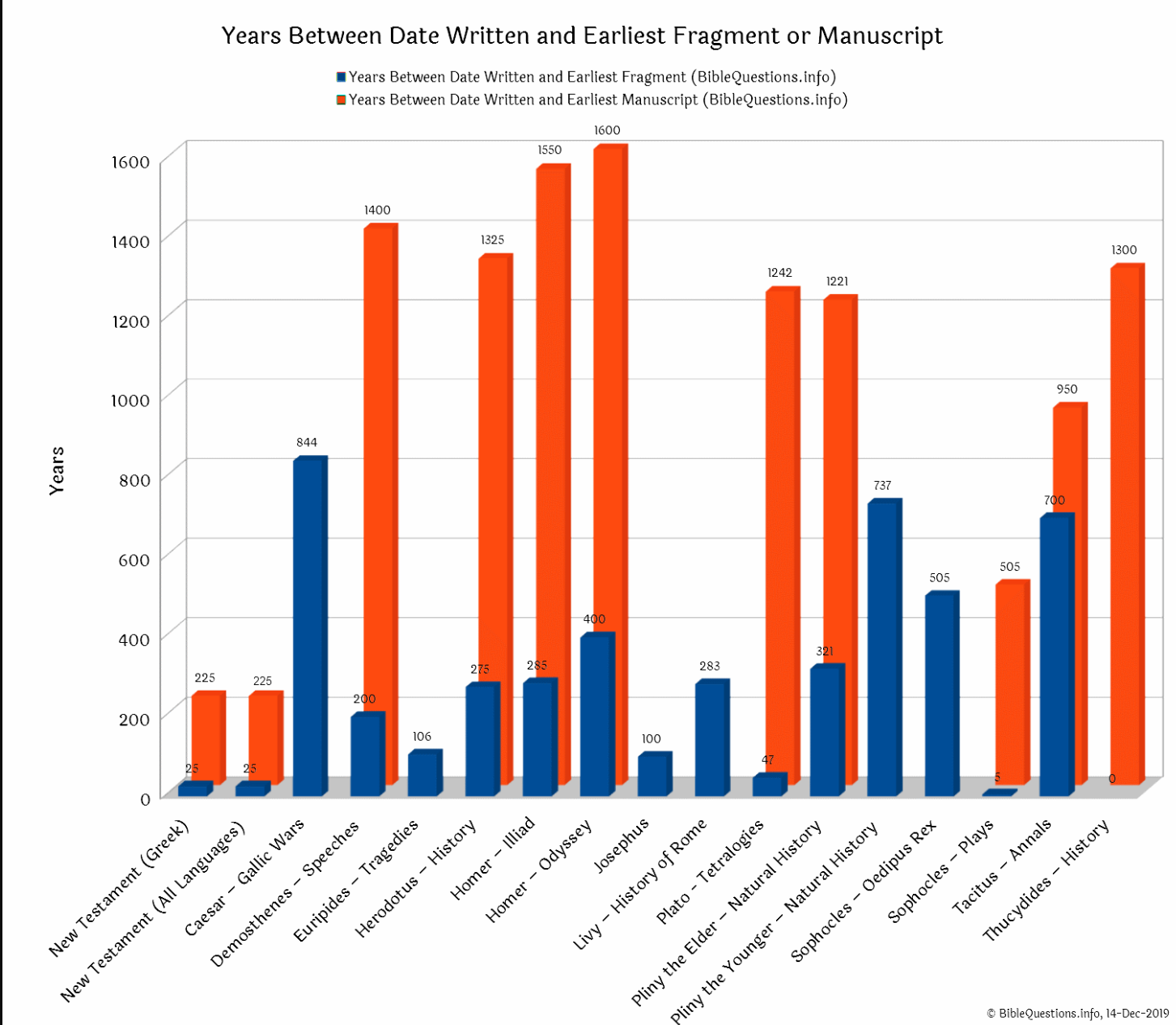
via oral tradition. In reality, The Odyssey has its earliest fragments 400 years after
the original creation
and its earliest manuscript 1600 years later. Meanwhile, the New Testament has fragments within
25 years and full
within 225 years. The next-closest in manuscripts is Sophocles's plays at 505 years. That is
almost double the time period!
All of that to say: the manuscripts that we have for the New Testament are classic copies that
are closer to the events
than those of any other ancient texts.

We also have historical documents that corroborate the texts of Scripture. What does that mean? How does this differ from the last point? It is different because these are either secular, or even, anti-Christian documents. These include Josephus and Roman historical texts. They confirm that Jesus existed that Jesus was a great moral teacher, and that He did claim to be the son of G-d.
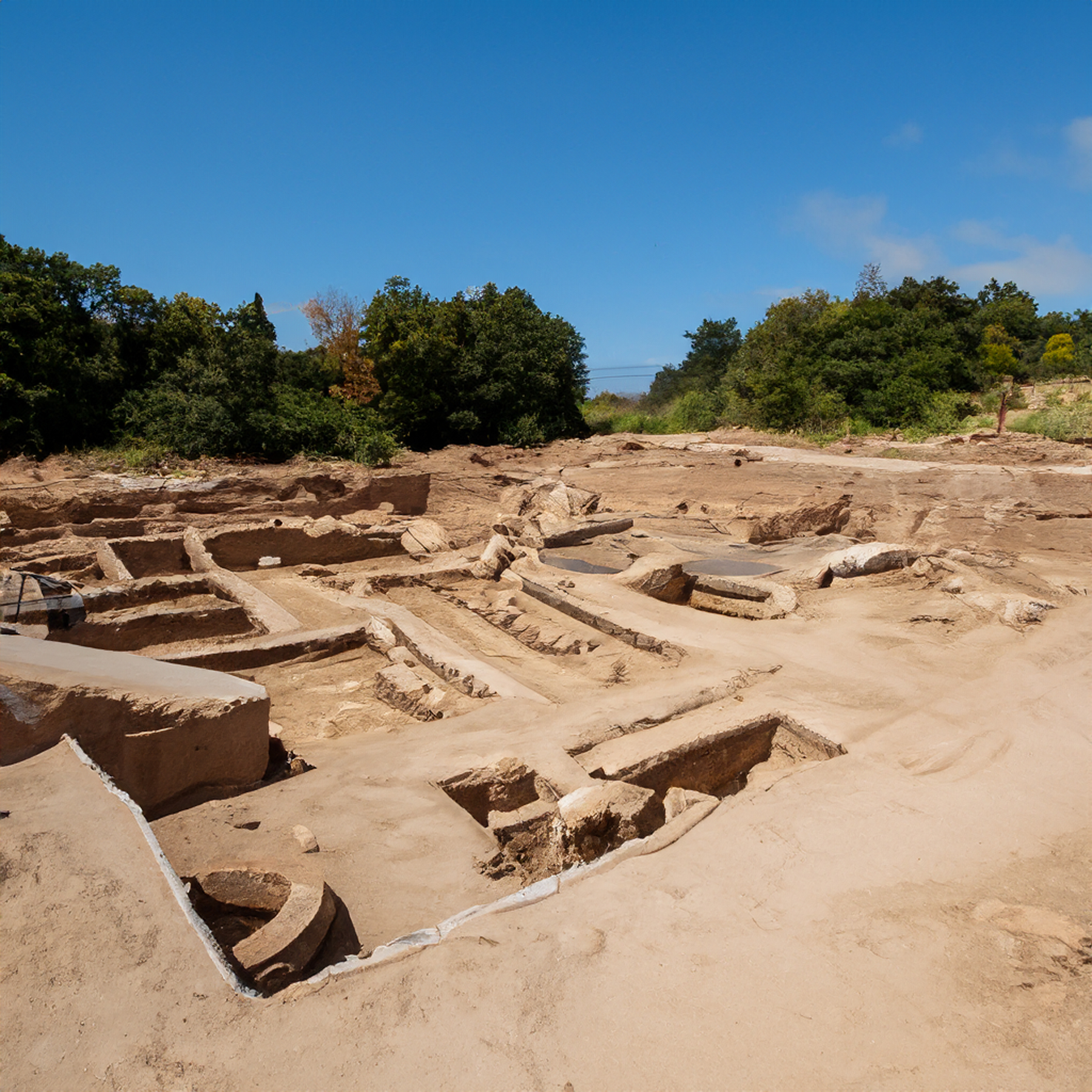
Christian and secular archeologists alike have dug up many historical artifacts that corroborate the story of the Bible. These discoveries include items such as stone tablets with the name of King David and other kings from the Old Testament, ancient cities that match descriptions found in the Bible, Roman documents containing descriptions of the death of the apostles that point out they refused to denounce their faith in the face of immenent death, and so much more. It is worth dedicating a whole page to cover some of the archeaological discoveries that have been made that corroborate the Bible's texts.

According to journalist Lee Strobel, during investigations detectives/researchers are able to
tell
if people are lying
when their stories match up too perfectly. "Why is that suspicious?" you may wonder. That is a
great
question, and one I had as well.
One would assume giving the same story would lend to credibility, not to incredulity. However,
when
you think about it, it does make sense.
When you and a friend talk about a day you spent together, different things stand out to
different
people. Let's say you saw a movie.
You might recount the day as, "We went to see a film with Brad Pitt!" while your friend, who has
a
celebrity crush, might recall, "Oh yeah! We saw
that film with Hugh Jackman!" While I do not think a movie with those two starring together
exists,
the point stands: you remember different people
because you value them differently. On the other hand, if you both said, "We saw the film
Hugh-ge
Pitts directed by Steven Spielberg and starring
Hugh Jackan and Brad Pitt," people might get suspicious about the specificity and similarity of
your
answers.
More succinctly: different people remember different details due to experiencing the same event
differently. The differences, if they are
found between details of a story rather than overarching plots and themes, lend credibility that
the
story is true because while the core
of the tale remains the same it highlights the genuine experience of each person recounting the
event.
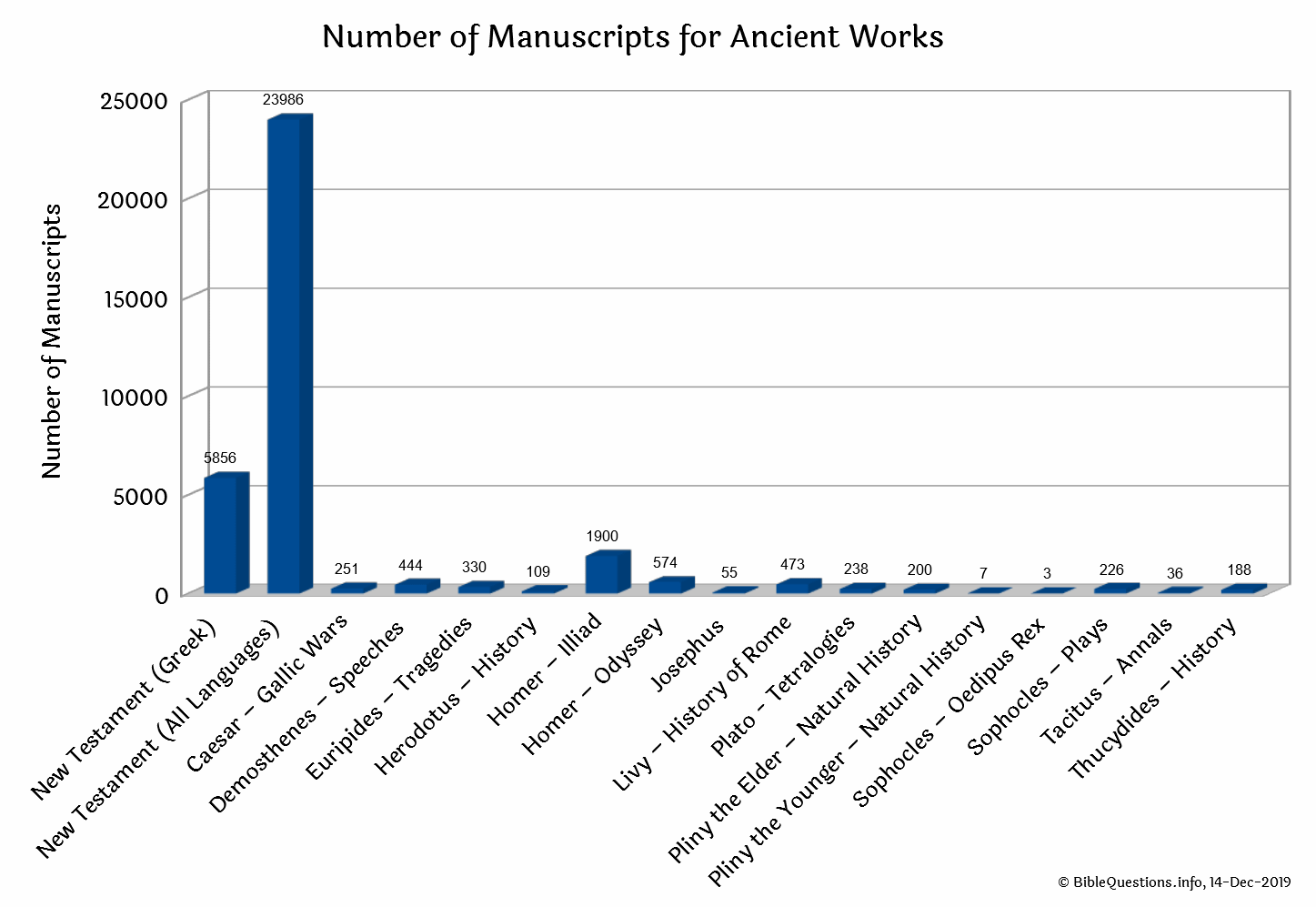
We not only have classic copies of the manuscripts, but the number of manuscripts that we have is mind-boggling. We have a mile-high pile worth of manuscripts and fragments of the Bible's texts. Far more than would allow for someone to alter them all, meaning we can have high confidence that the ancient texts we are seeing, which are extremely close to exact copies, are the genuine texts that were written by the original authors. The sheer number in conjunction with the relative proximity in time to the events of the gospels is indicative that the Bible is able to be trusted as accurate.